
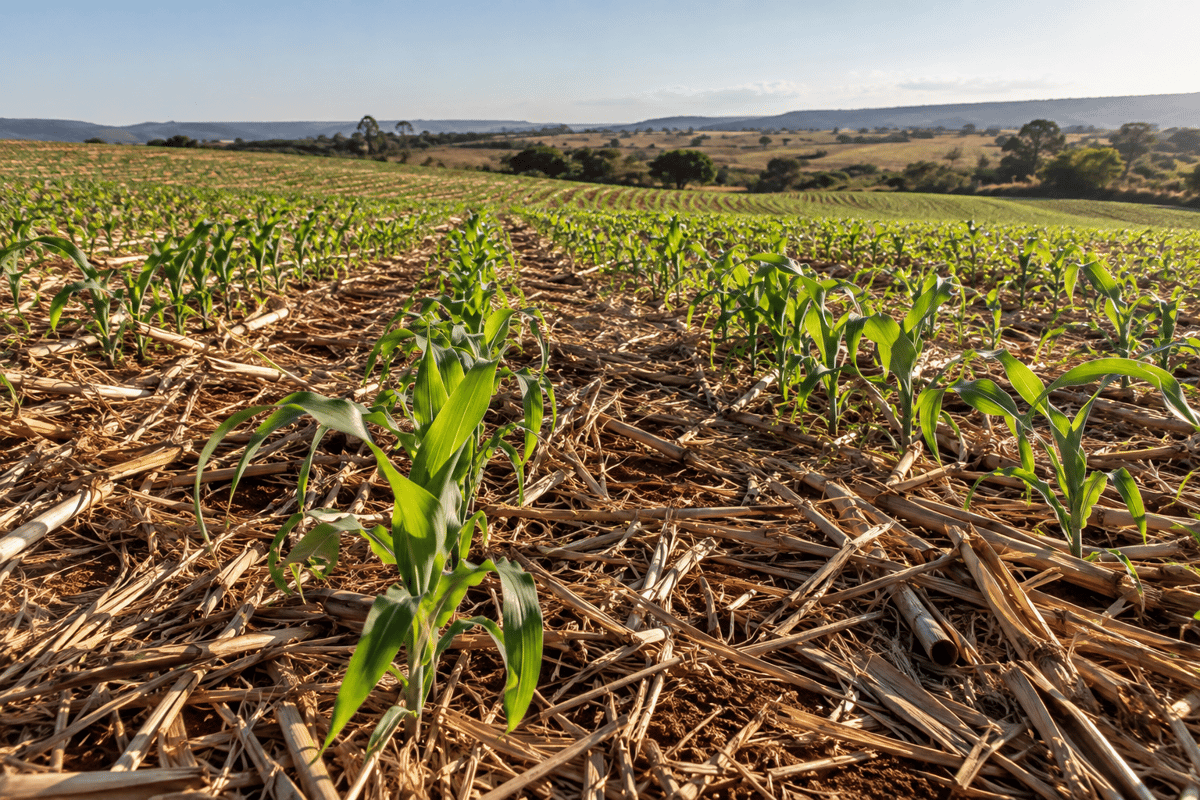
Crop residue belongs in your plan for the next season. See how soil cover, water management and crop rotation work together in the field.
The stalks, leaves and other crop residue left after harvest have an important job to do. This cover helps protect the soil surface and belongs in the plan for the next crop. Seeing it as a resource can change how you manage the time between harvest and planting.
A layer of protection against the weather
Crop residue cushions the impact of raindrops and shades the soil from direct sunlight. Adequate cover can also help water soak into the ground and reduce evaporation from the surface. The effects depend on how much residue is present, how evenly it is spread and the conditions in the field.
Embrapa describes the role of crop residue in no-till farming, including its contribution to soil protection, water management and biological activity.
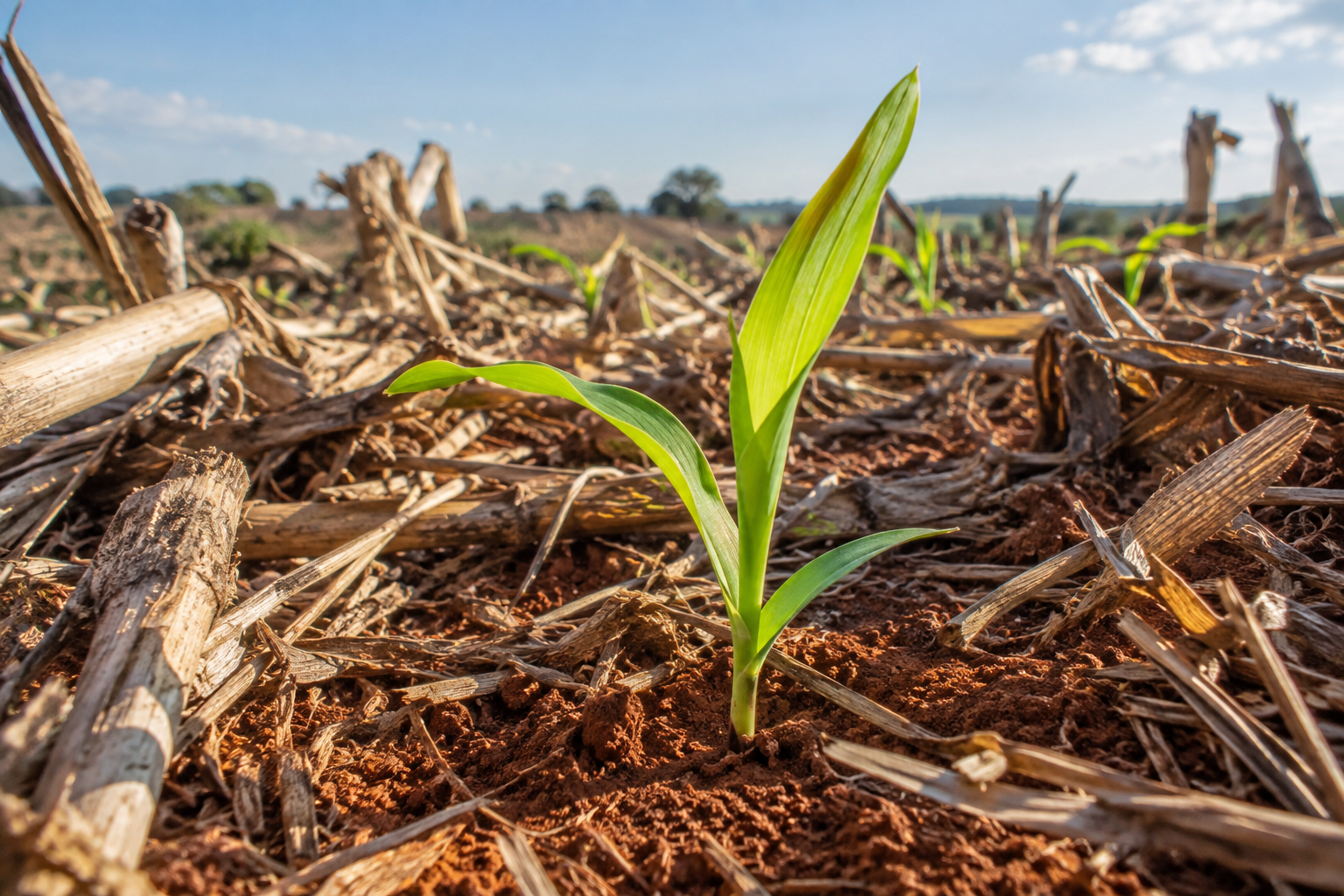
No-till is about more than leaving residue behind
Residue alone does not make a complete no-till system. No-till combines soil cover, crop rotation and minimal soil disturbance. These practices need to work together from one season to the next.
That means thinking ahead about the sequence of crops. What you grow in one season affects the cover available for the next. Embrapa Maize and Sorghum's publication on no-till farming systems treats residue management and crop rotation as connected parts of the same approach.
Plan how to keep the soil covered
When choosing a cover crop, consider the climate, available water, time between crops and how it fits with the main crop. A species that produced plenty of biomass on another farm is not automatically the right choice for yours.
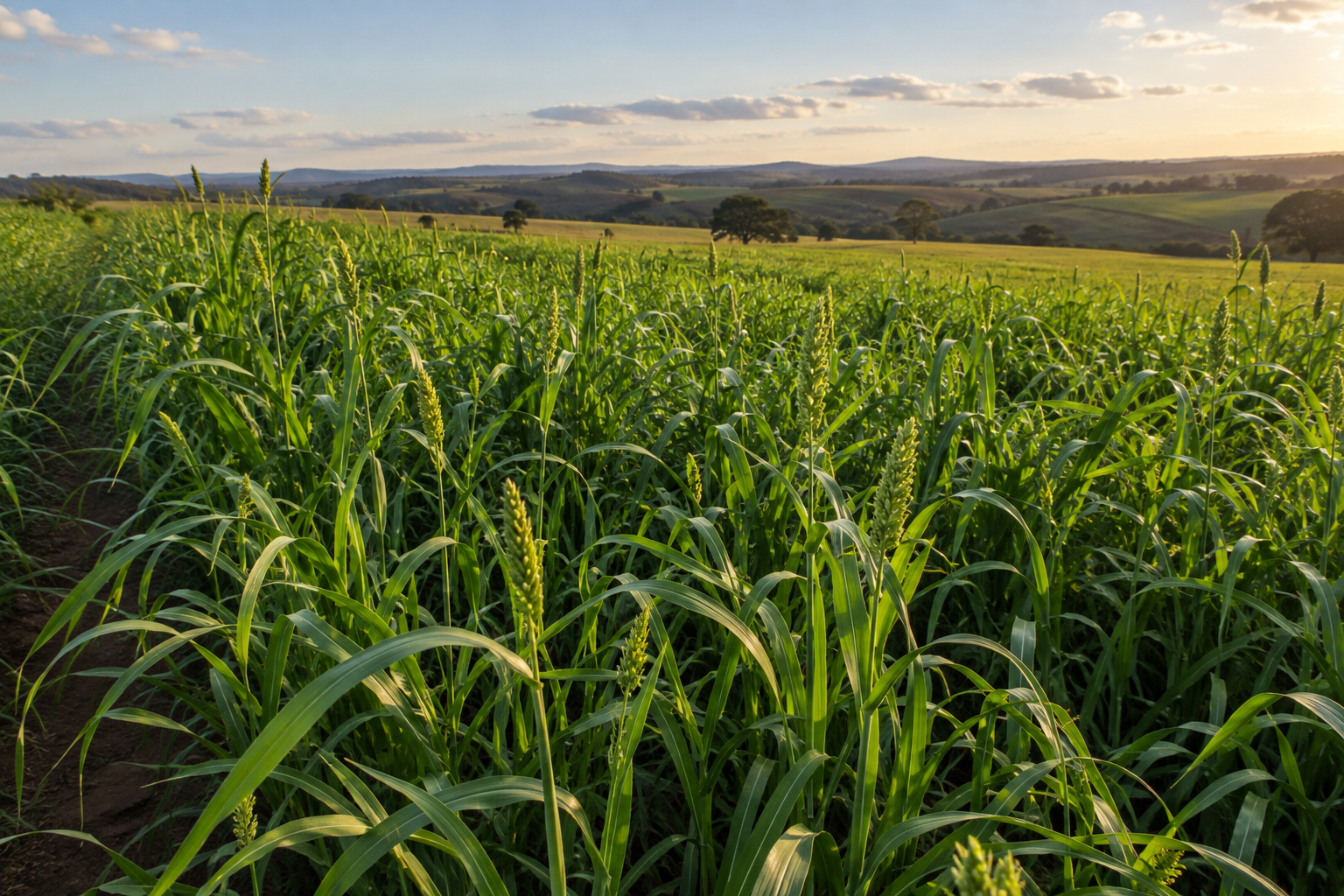
Pearl millet and sorghum are among the options Embrapa discusses for producing residue. Its publication on no-till alternatives emphasizes planning the main crop together with the species that follow it. Get agronomic advice on what suits each field.
Three questions to ask after harvest
How evenly is the crop residue spread across the field?
Does the planned crop sequence help keep the soil covered?
Does cover crop management fit the planting schedule?
These questions turn what you see in the field into something you can plan around. Noting areas of bare soil and discussing the options before the next operation is a practical place to start.
As you plan the next season, consider soil, cover and fertilizer management together. The Mega Agronegócios team is available to discuss farm inputs and the needs of your crop.
This article provides general information. Cover crop management should suit the crop and region and follow agronomic guidance.